Muslim Civic Coalition Welcomes the 2026 Young Adults Civic Impact Fellowship Cohort
Summer 2026
A year ago I was sitting in one of those seats.
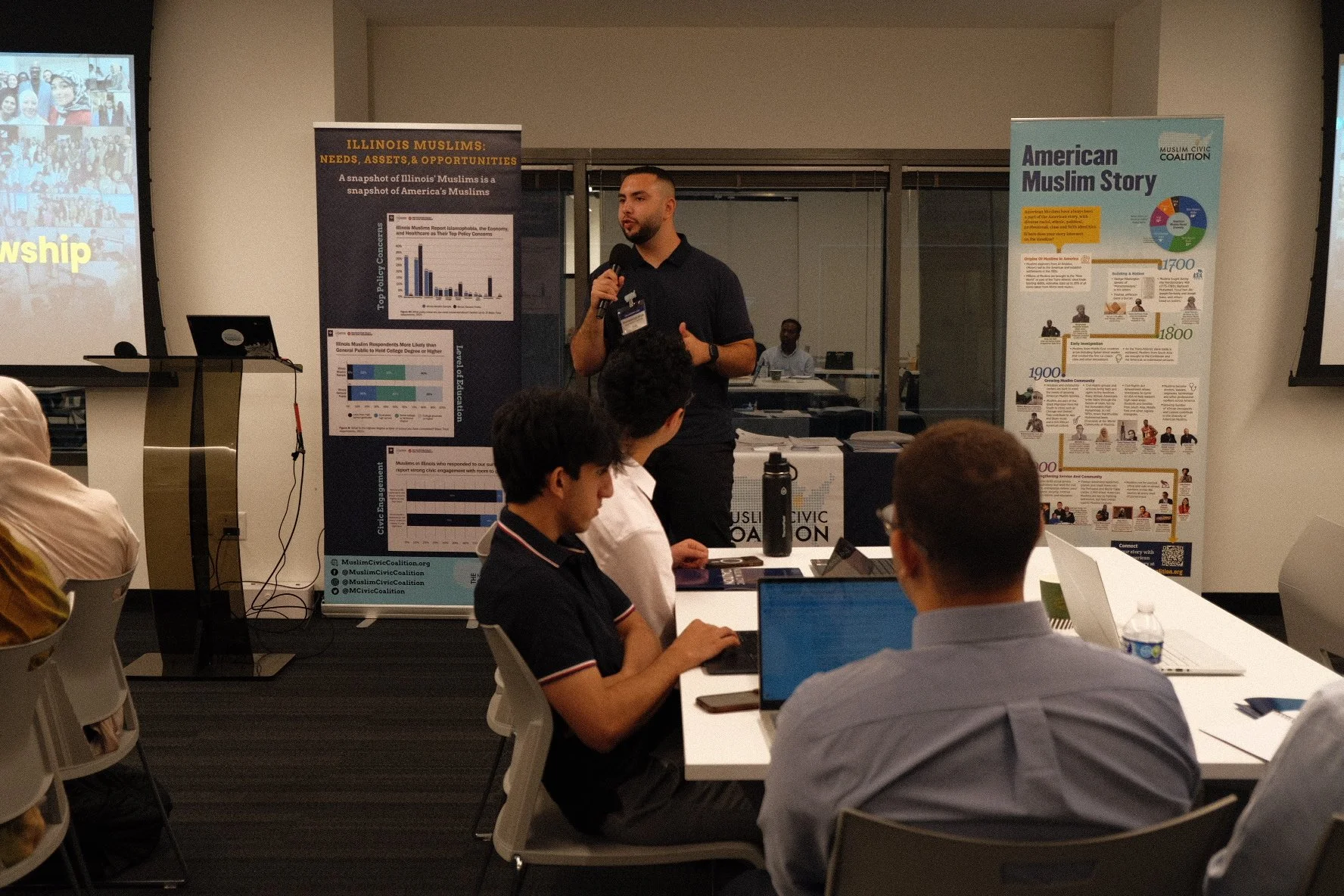
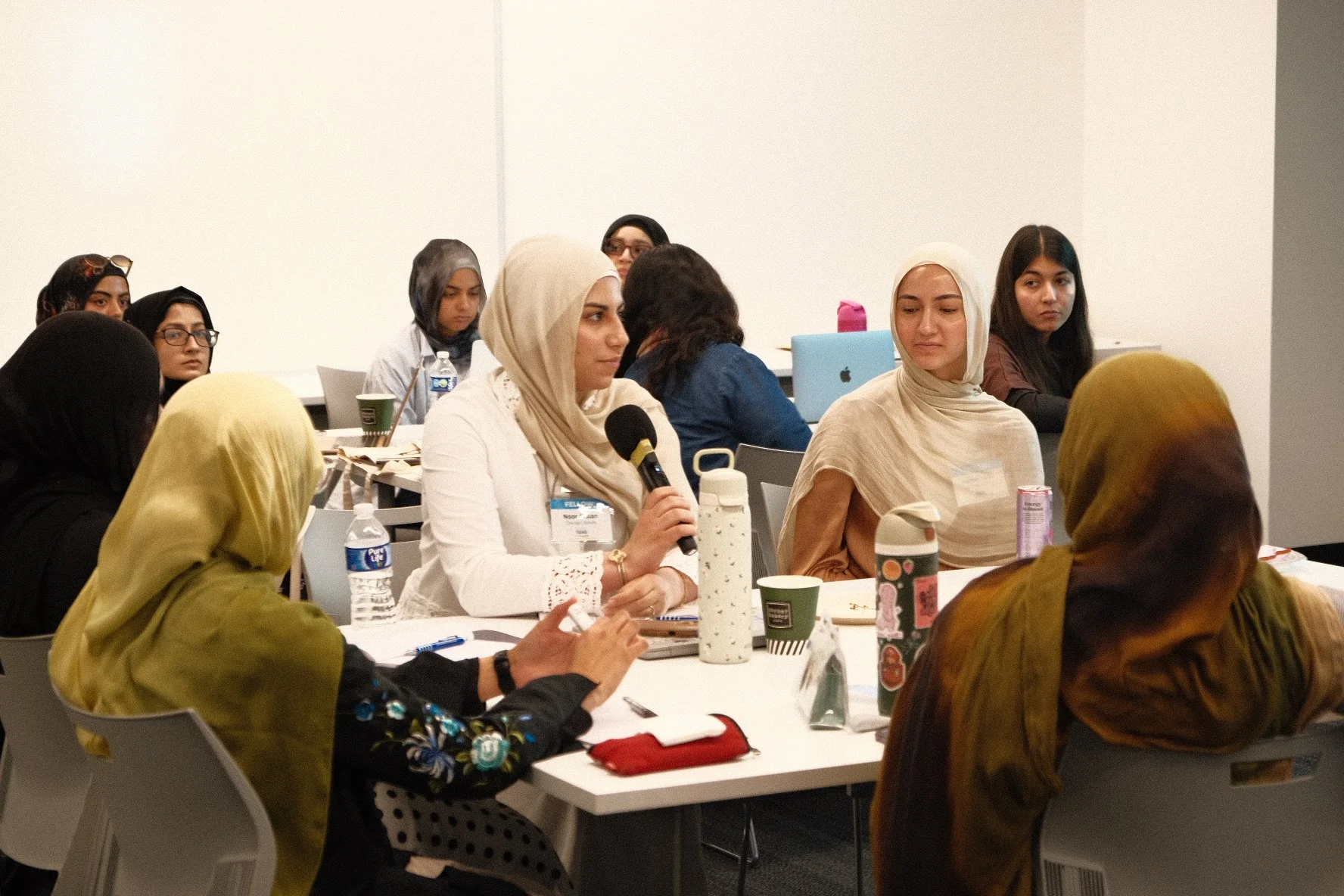
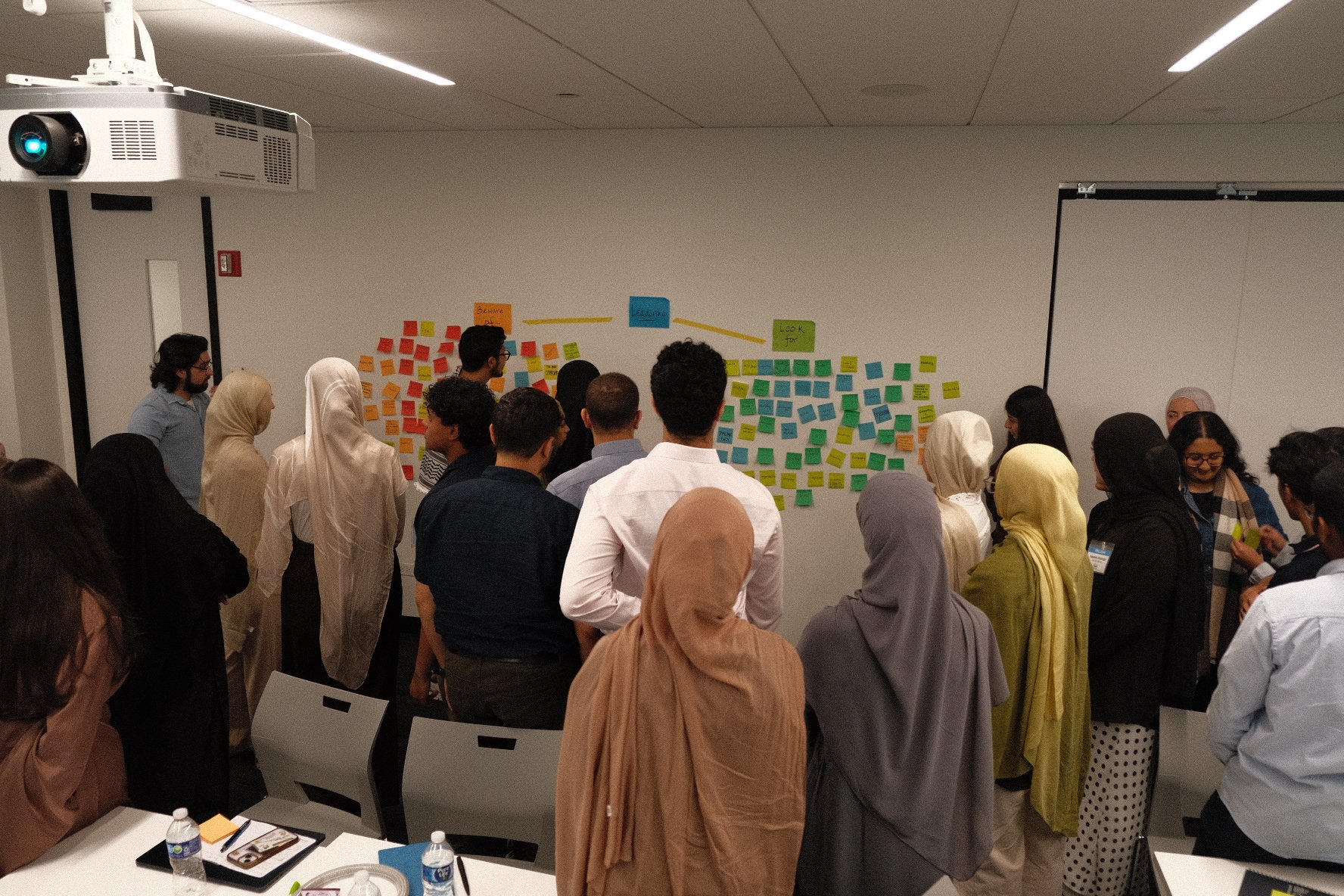
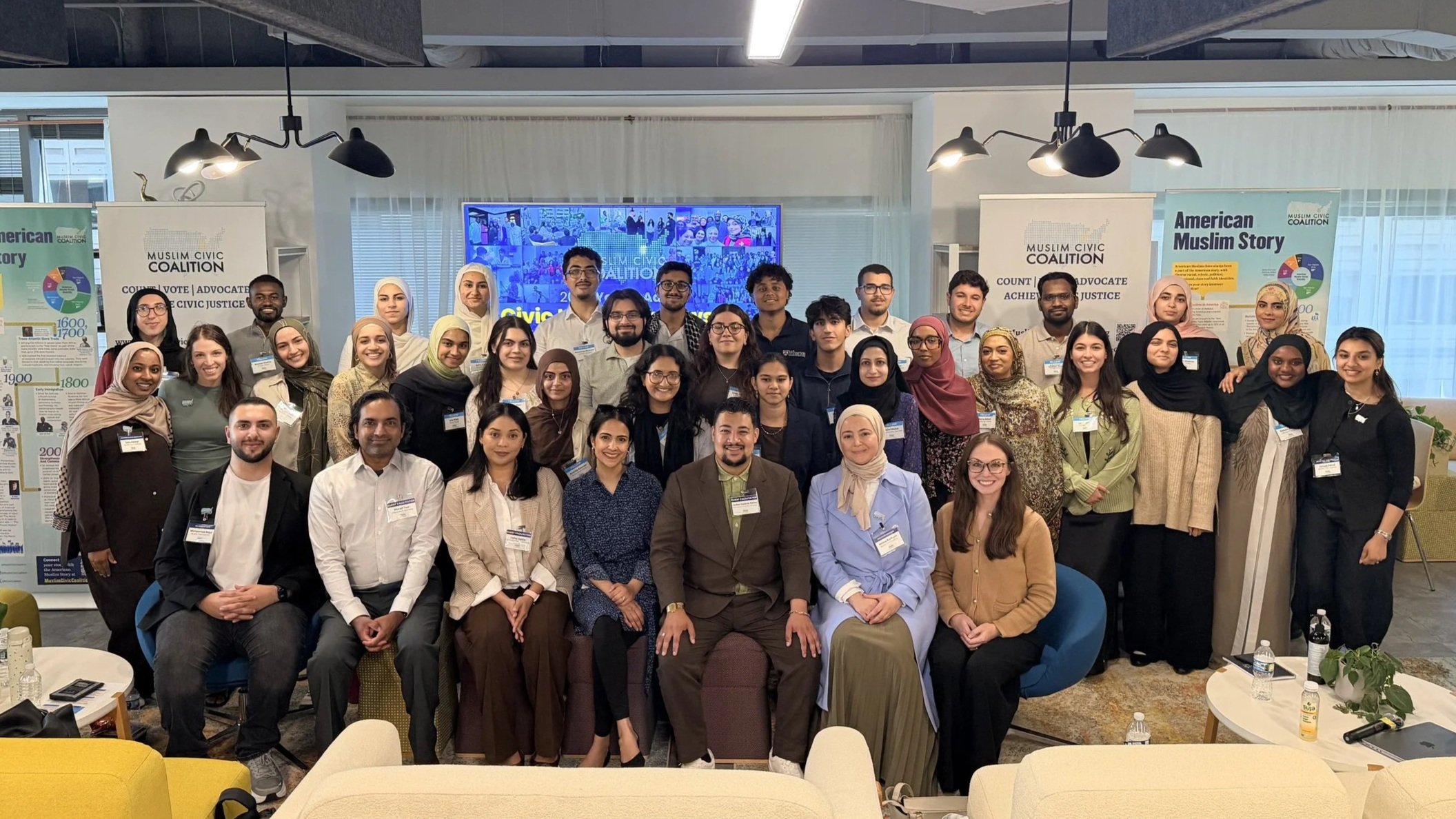
From July 20 to 24, thirty young Muslim leaders from ten states gathered at the Impact House in downtown Chicago for Immersion Week of the 2026 Young Adults Civic Impact Fellowship — the start of a six-month journey of civic education, leadership development, and community-building. I was in the 2025 cohort, then co-led the program, and this year I returned as Fellowship Lead while finishing my pre-law studies in Political Science at DePaul. That path is the point. Invest in young adults, give them room to grow, and they come back with more skill, more confidence, and more responsibility than they left with.
How the Fellowship began
It did not begin as a Fellowship. It began with crisis communications.
In 2024 the Coalition convened two crisis communications trainings with the Institute for Middle East Understanding, and trained roughly a hundred students and young adults. More than two hundred applied. The demand told us something. The feedback told us more. In both cases, participants wanted more than a single training. They asked for organizer training, for how to lead a campaign, for how to run for office, for leadership development, for career skills, for financial literacy, for advocacy and how policy actually changes — and for connections to the people already working in those spaces, so they would have someone to keep learning alongside.
So we listened. We built the modules they asked for and turned two trainings into a six-month Fellowship. Young Muslims were never short on talent or conviction. They were short on the training that turns conviction into influence — and they told us so themselves.
Who we are building this for
American Muslims are of every race, ethnicity, and background — predominantly Black, Asian, Arab, and Latino — and in Illinois more than half of us are under thirty-five. That generation is arriving into rising hate, underemployment, government suspicion, financial pressure, and mental strain our institutions are not yet equipped to meet. What they ask most often is what success looks like for them, and how anyone gets there from where they are standing.
They need peers, they need role models who share their faith and lived experience, and they need tools. That is why we treat leadership development as core civic work. Democracy runs on people who understand how decisions get made and are willing to be in the rooms where that happens. When a community does not have those people, the decisions still get made — without us. The answer is not complaint. The answer is capacity. And we’re building it.
Five days in Chicago
Monday grounded the cohort in the Fellowship's purpose. Administrative Associate Sana Akhtar opened with an icebreaker, Executive Director Amina Barhumi introduced the Capstone Project each Fellow will carry through the year, and Dr. Dilara Sayeed, educator and CEO of Penny Appeal USA, led the Story of Self, Us, and Now. We start there because a leader who cannot explain why they care will struggle to ask anyone else to care with them.
Tuesday turned to power. Prof. Omer Mozaffar, Muslim Chaplain at Loyola University Chicago, led "Following the Money: Supremacy, Special Interests, and Institutional Power," moving Fellows past injustice as individual prejudice and toward the structures that decide whose voice is heard and what gets funded. Amina Barhumi followed with a session on prophetic leadership, connecting civic responsibility to courage, service, and accountability in our tradition. Civic Justice Organizer Rija Arshad closed with the Illinois Muslims Report and the issues facing our communities — the evidence base advocacy depends on when a legislator asks how many people this affects.
Wednesday was about media. Strategic Communications Consultant Whitney Siddiqi ran a full day of training on message, interviews, and hard questions. That afternoon, Murad Toor, independent journalist; Zareen Syed of the Chicago Tribune; and Hafsa Haidar and Jordan Esparza-Kelley of CAIR-Chicago spoke candidly about how harmful narratives about Muslim and Palestinian communities get built — and why we need Muslims inside newsrooms and telling their own stories, not only in the coverage.
Thursday we left the classroom. Dr. Imam Tariq El-Amin, Resident Imam of Masjid Al-Taqwa, led the Chicago Black Muslim History Tour. Fellows learned from Dr. Sajdah Wendy Muhammad at Sajdah House and Dennis Muhammad at the Do For Self Community Development Corporation, and were welcomed at Masjid Al-Taqwa alongside Dr. Clyde El-Amin and Bashir Asad, passing Masjid Al-Fatir, Muhammad Ali's home, Temple No. 2, Guaranteed Bank, and Mosque Maryam. Imam Tariq shared that Islam in America did not begin with immigration. Black Muslims built the masajid, the businesses, the schools, and the models of self-determination the rest of us inherited. Any coalition built without that history is built on ground it does not understand.
Friday was law and policy. Amina Barhumi walked Fellows through the Coalition's theory of change, demystified the legislative process, and led a case study on the anatomy of a good bill — including why passage is the middle of the work, not the end, since implementation is where a policy either reaches people or quietly fails. Illinois State Senator Ram Villivalam closed the week in conversation with Fellows. For several of them it was the first time a sitting legislator answered their questions directly. Part of our work is making that ordinary rather than remarkable.
What comes next
Our focus now turns to the Capstone Projects each Fellow will take back to their community. We welcome the cohort back to Chicago in September.
What gives me hope is what I watched all week: Fellows challenging themselves, asking hard questions, sharing why they serve, and building real relationships across ten states. Thirty people will not change the country by themselves. But thirty people who know how a bill moves, how a story gets framed, how a coalition holds, and whose shoulders they are standing on — that is how something larger gets built.
I was in that seat a year ago, and I expect that someone in this cohort will be writing the next one of these.
— Mohammad Atiya, Fellowship Lead, Muslim Civic Coalition