Building Power Through the Fellowship: From Organizing to Elected Leadership
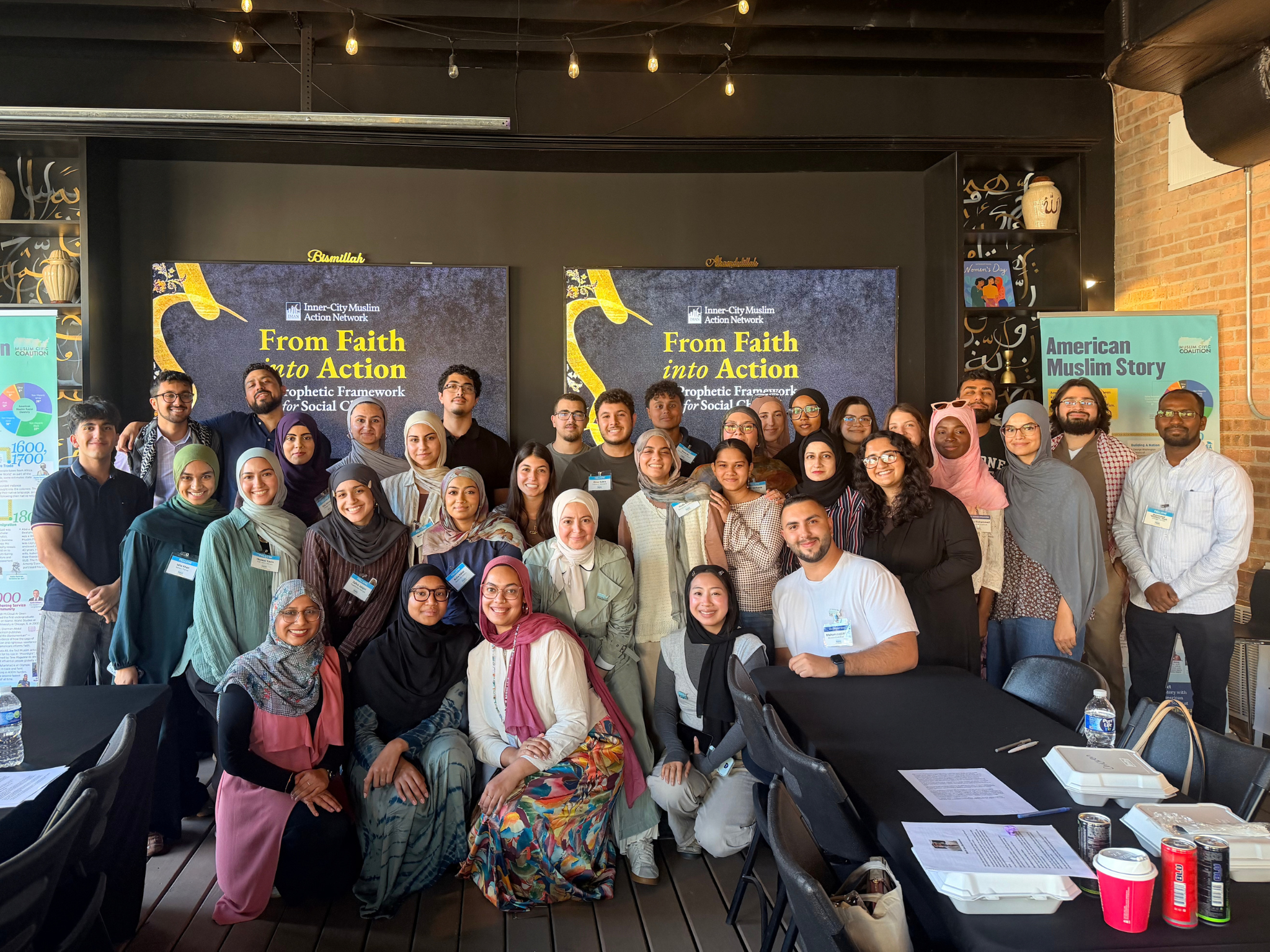
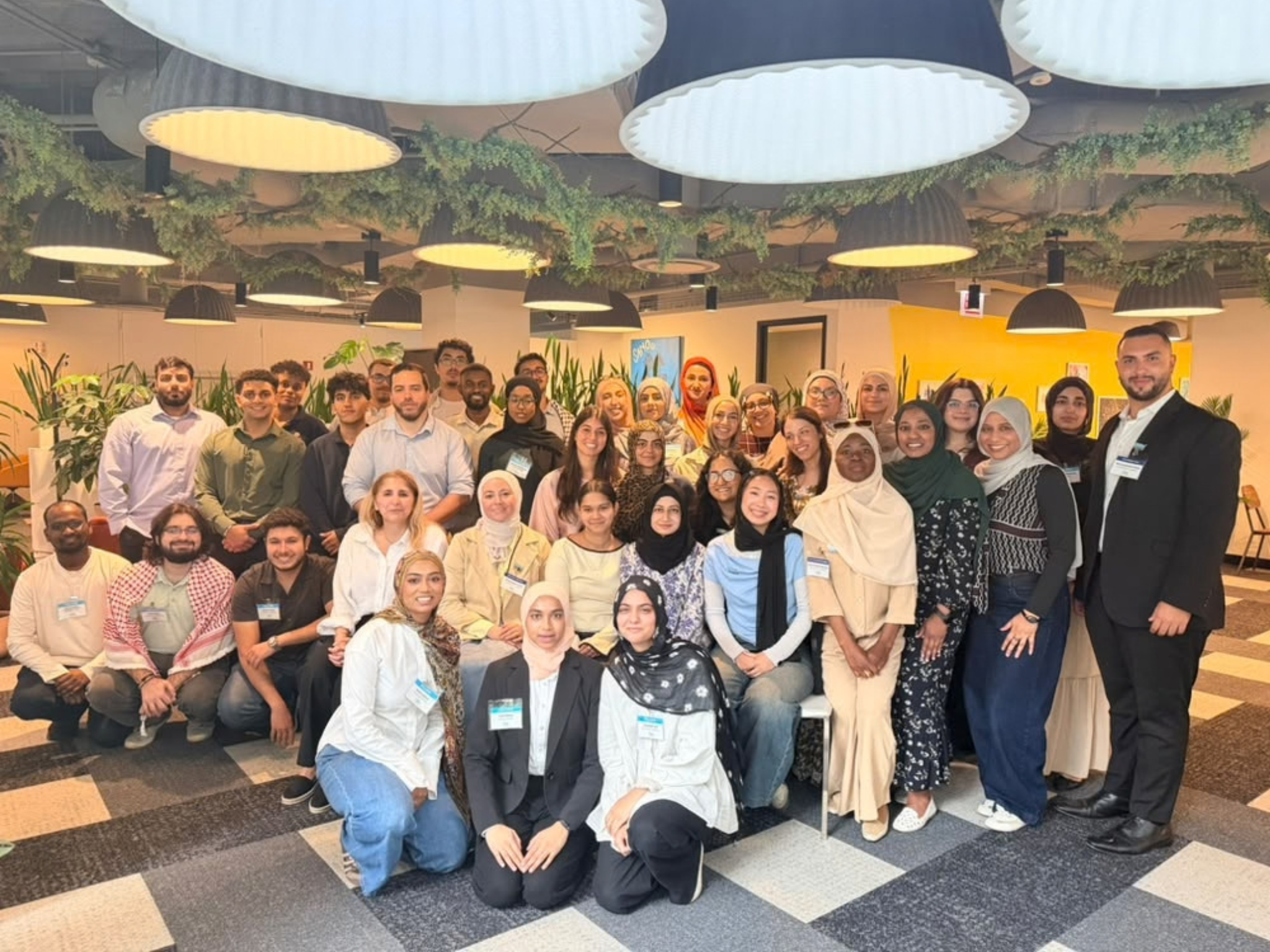
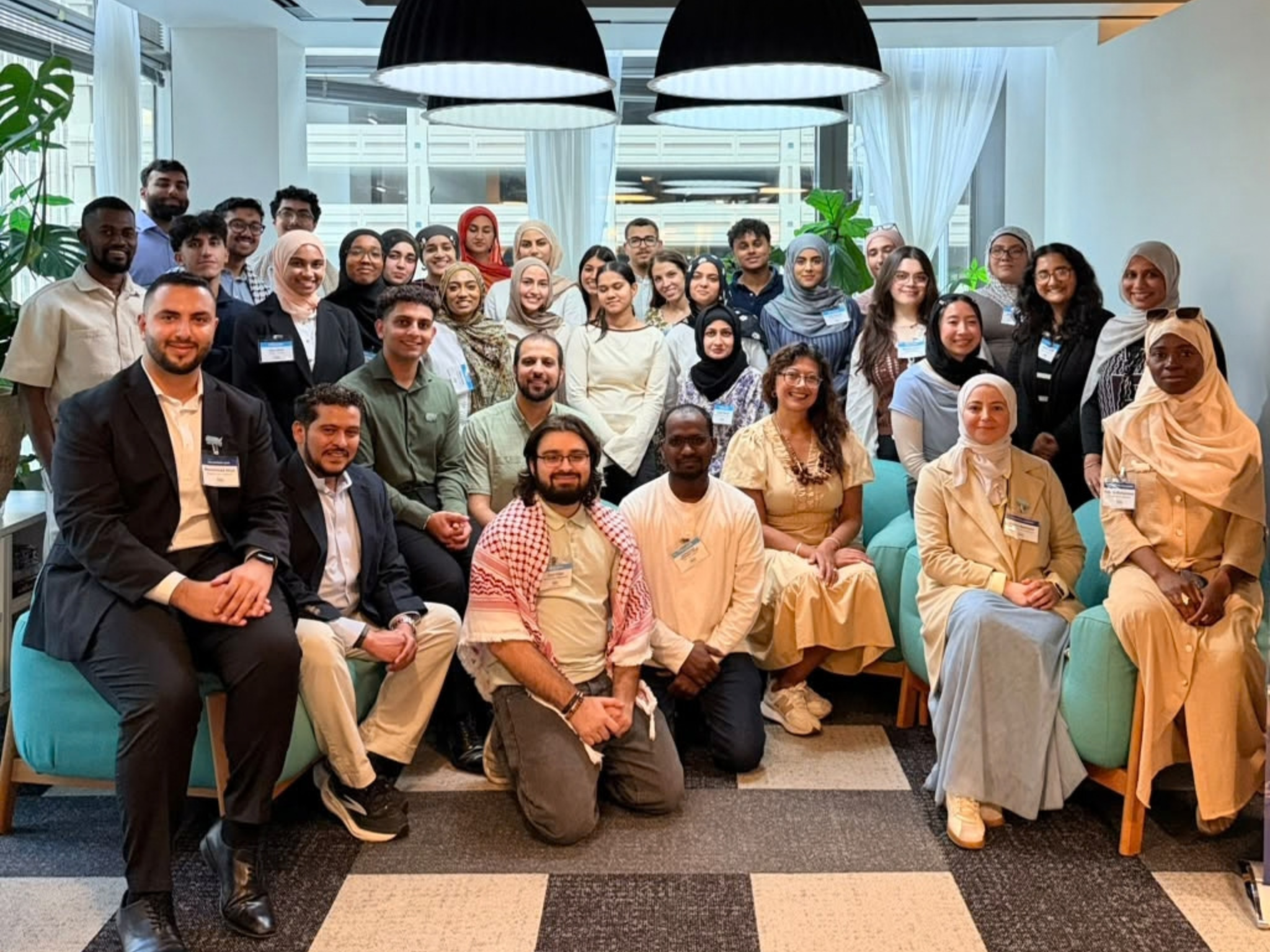
Chicago, Illinois, September 4–5, 2026 – The 2026 Young Adults Civic Impact Fellowship continued its six-month leadership development program with two days on how communities build and exercise civic power. On the first day, Fellows explored community organizing for resilient but vulnerable communities and the foundations of organized community power. On the second, they turned to running and winning elected office, from student government to municipal and state leadership, and learned how community power becomes public service..
The progression was intentional. Earlier in the Fellowship, Fellows studied narrative, institutional power, media, history, advocacy, and policymaking. These two days moved them from understanding those systems to building the power to shape them.
Why We Invest in Young Leaders
More than half of Illinois Muslims are under the age of 35. That makes today's young adults the organizers, candidates, and public servants who will shape our community's civic future. The Fellowship exists because young Muslims have never lacked talent or conviction. What they need is the training, relationships, and mentorship that turn conviction into lasting leadership. Every module is designed to meet that need, and to ensure that laws made for our communities are made with them.
Organizing Is How Communities Build Power
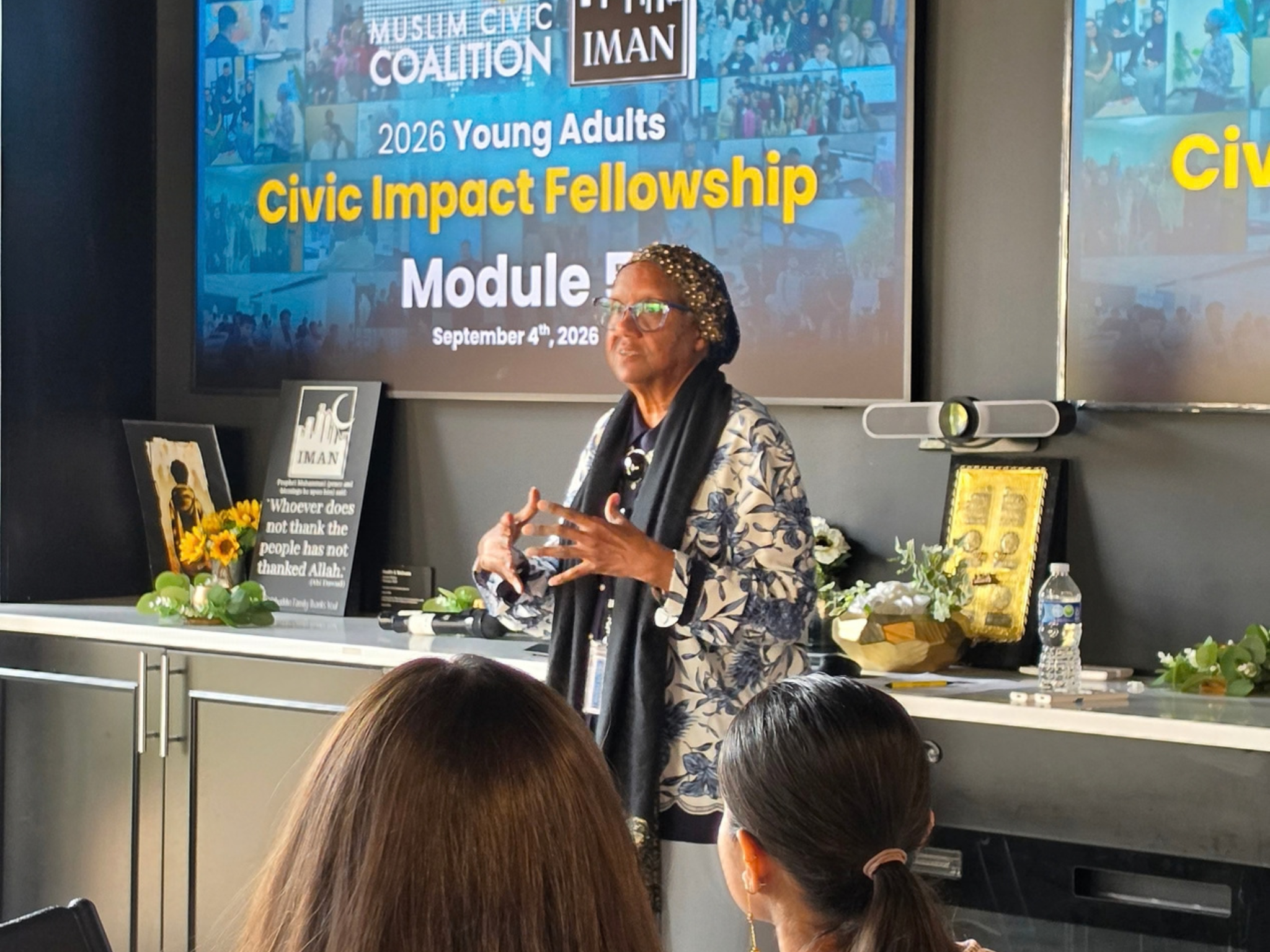
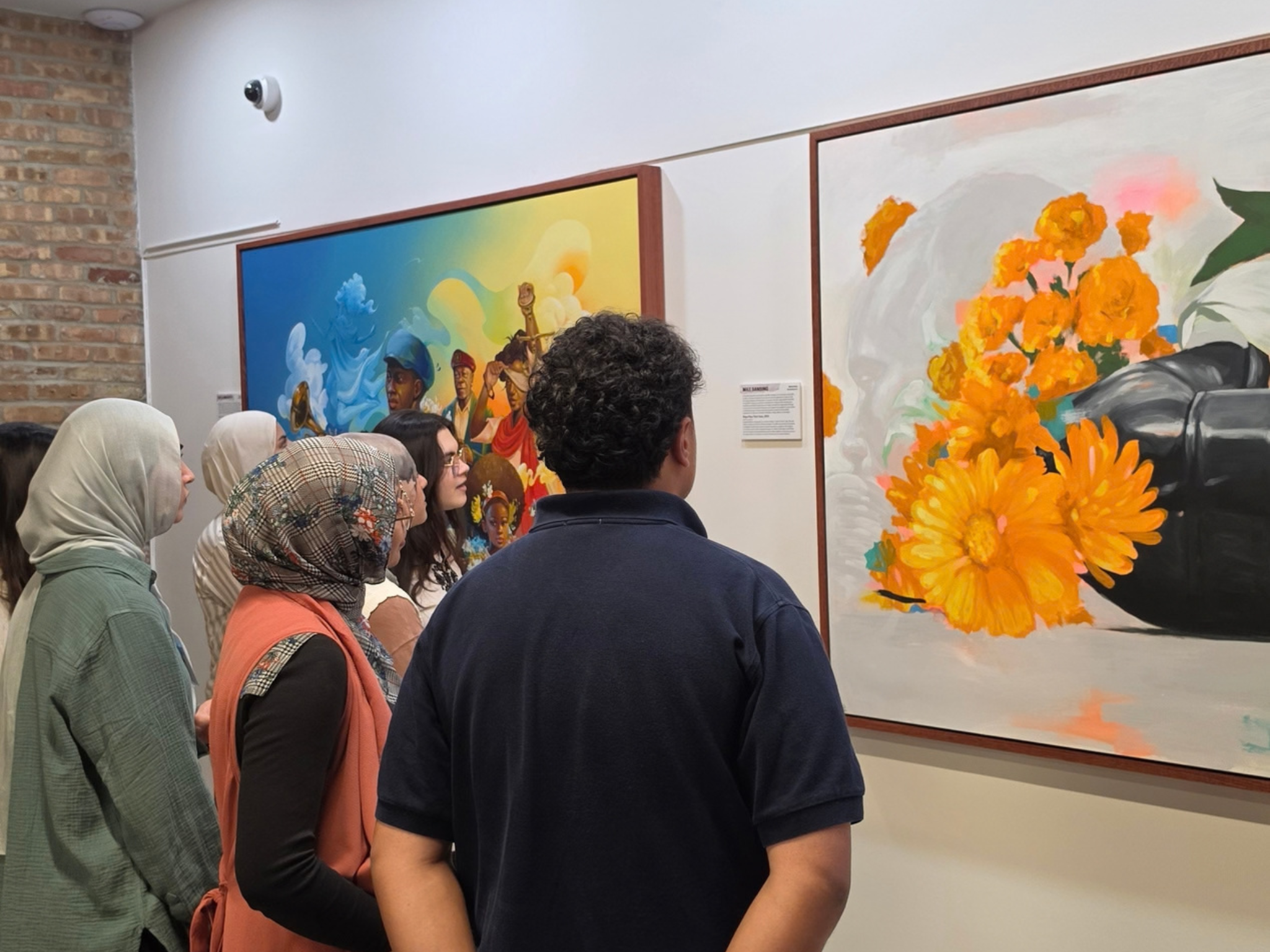
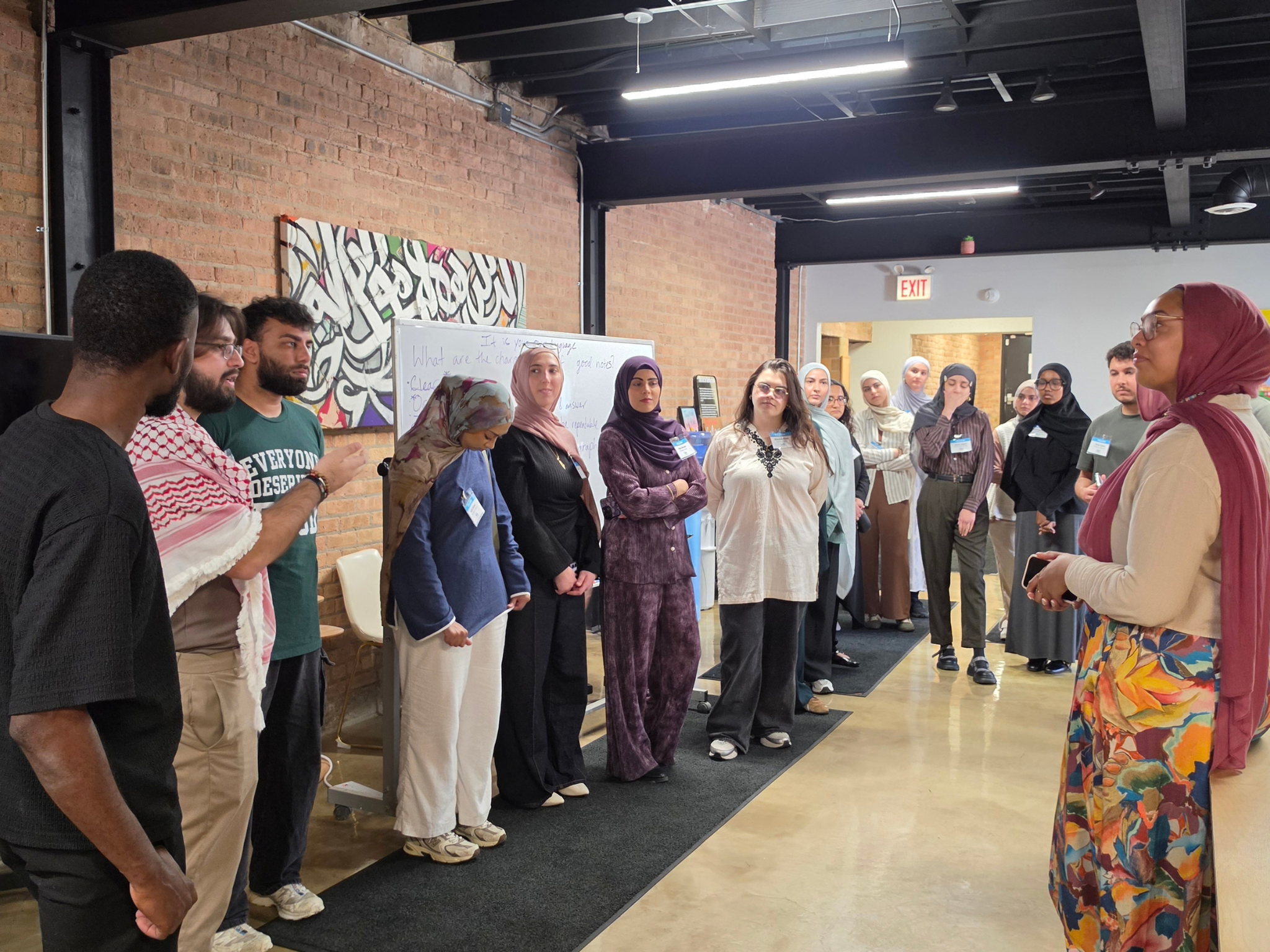
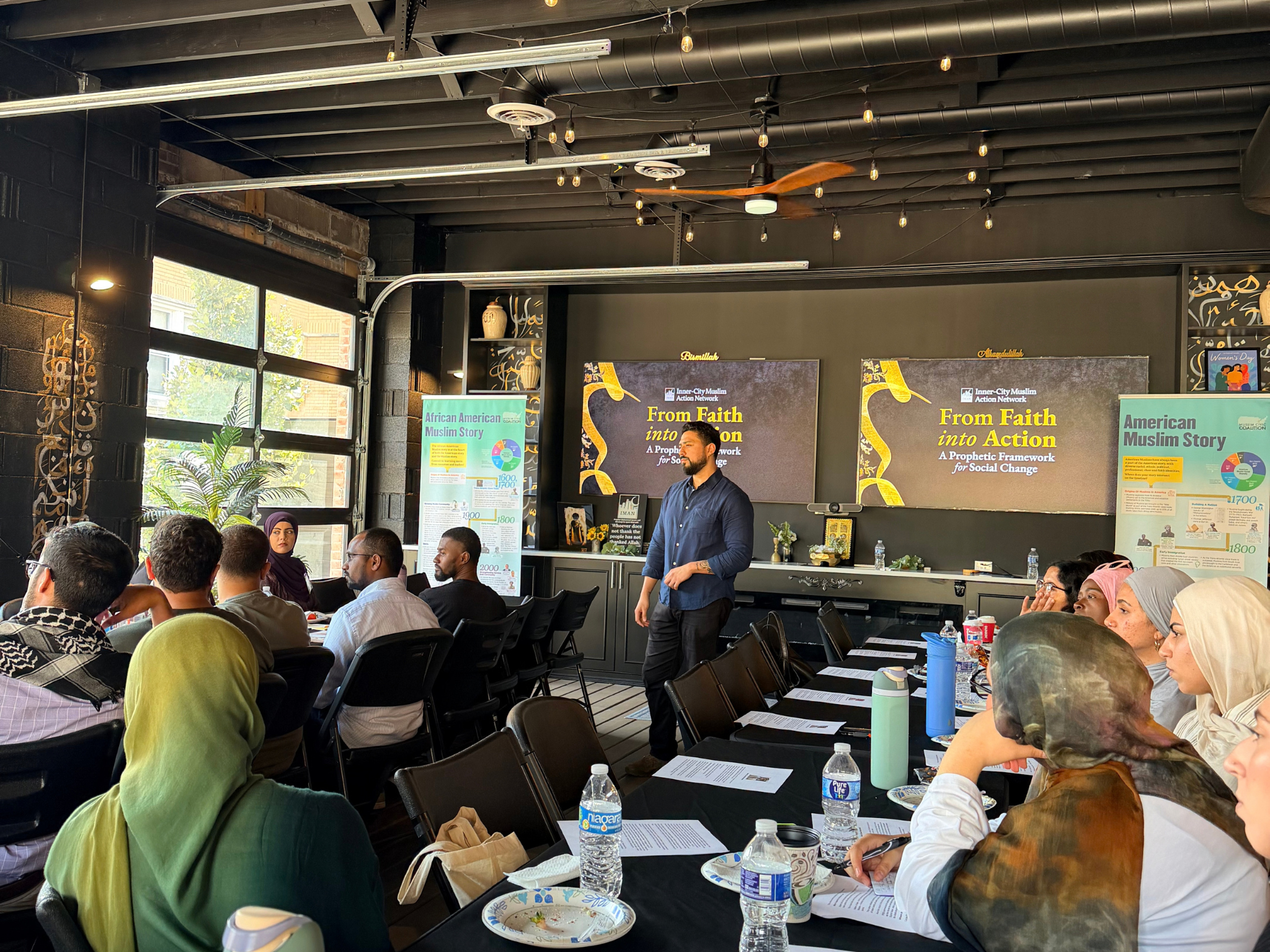
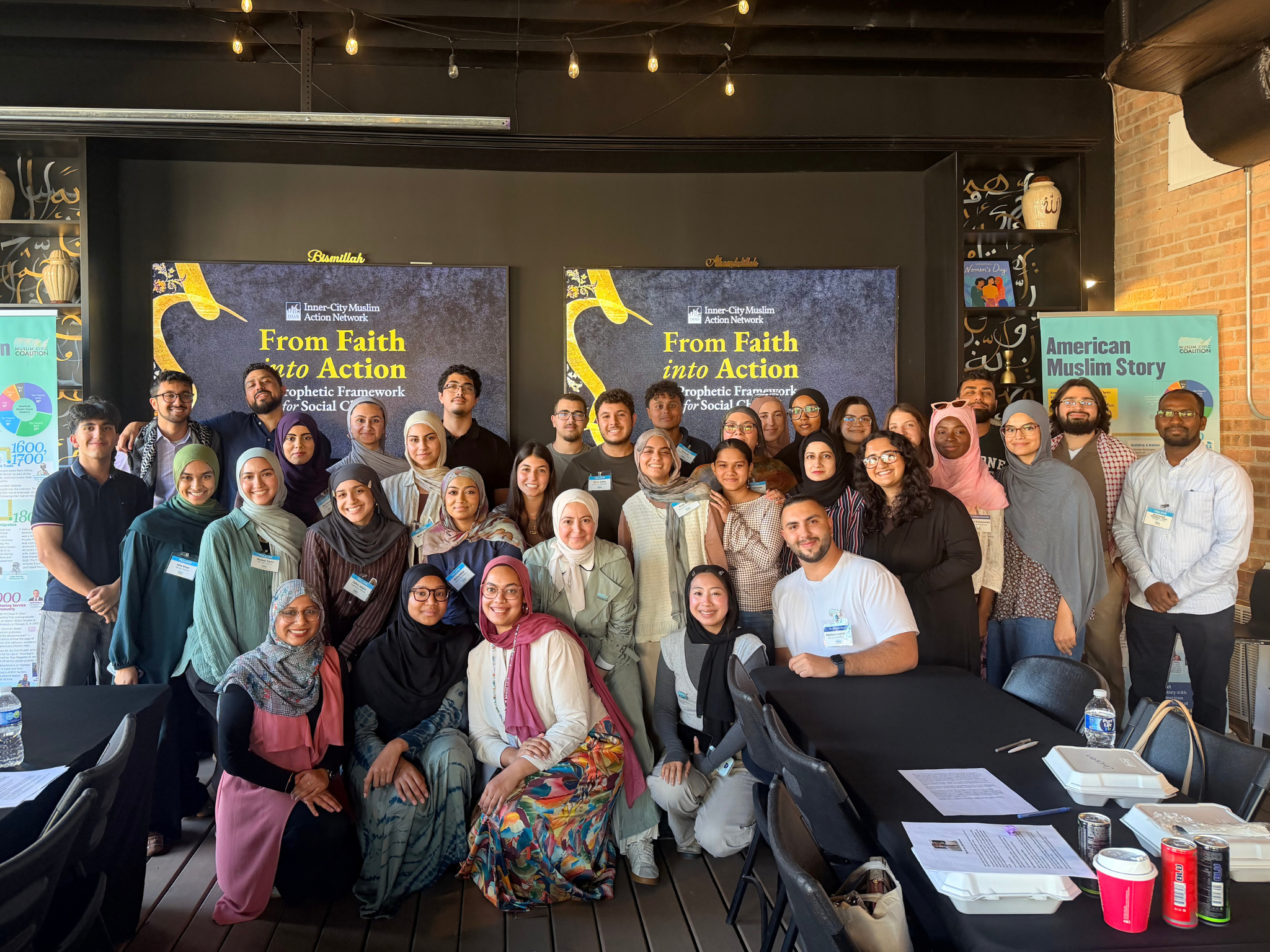
The first day was hosted by the Inner-City Muslim Action Network (IMAN) in Chicago, where Fellows explored organizing as the long-term work of building collective strength. Fellows toured IMAN's Chicago Lawn campus and joined a conversation with Dr. Constance D. Shabazz. Andrés Murillo, IMAN's Director of Organizing & Strategic Communications, then led sessions on Moral Responsibility and the Architecture of Power and Human Interests and the Higher Objectives of the Sacred Law.
A central lesson emerged: a community can have talented professionals, resources, and committed individuals and still lack the structures to act together. Organizing builds those structures. Through relationships, shared responsibility, leadership development, and institutions, individual capacity becomes sustained civic power.
The day concluded at IMAN's Go Green Community Fresh Market and Food & Wellness Center in Englewood. The Fresh Market grew out of years of organizing around food access and neighborhood investment. It showed Fellows the difference between meeting an immediate need and building the community capacity to address its root causes.
Carrying Community Power Into Office
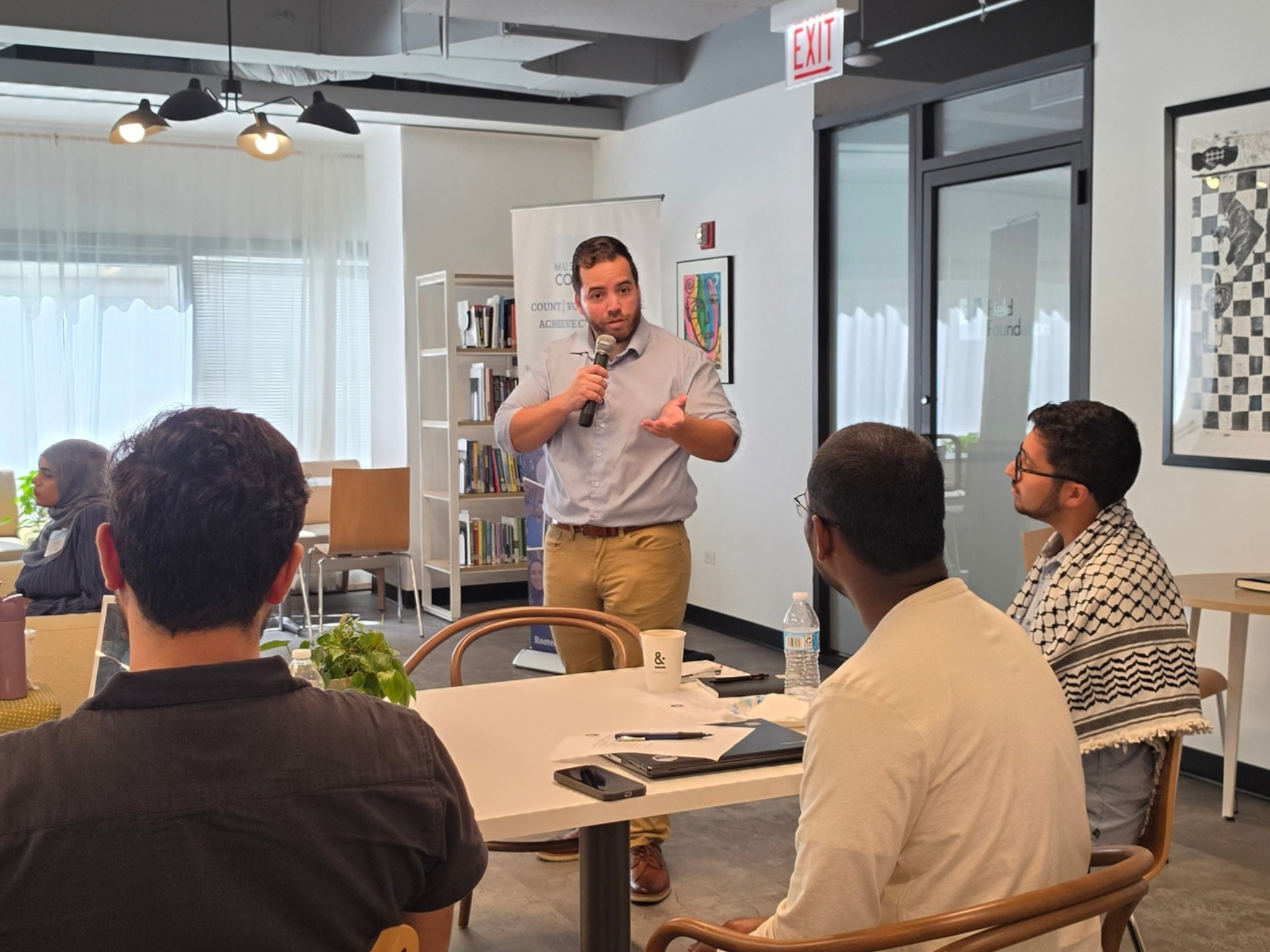
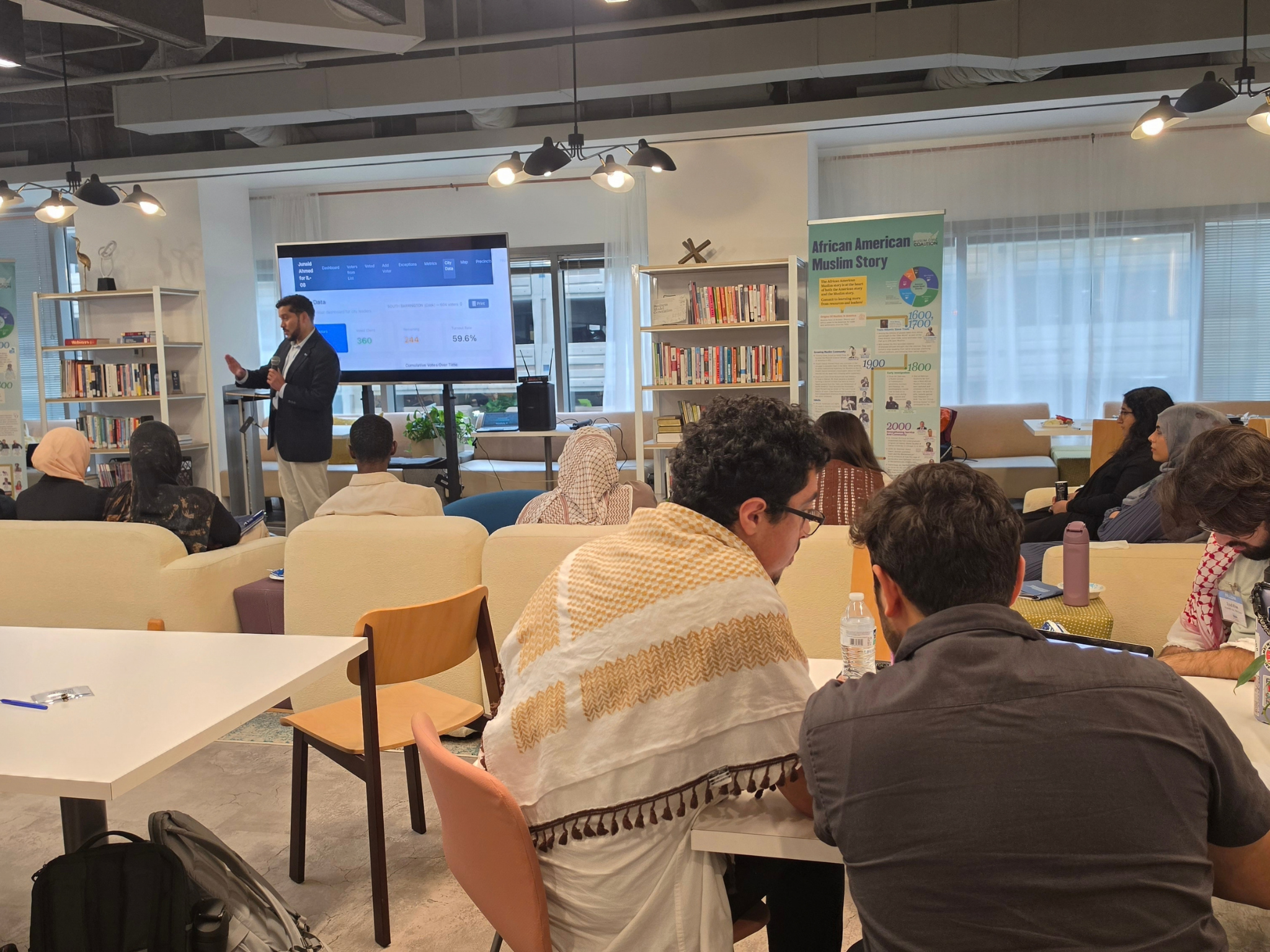
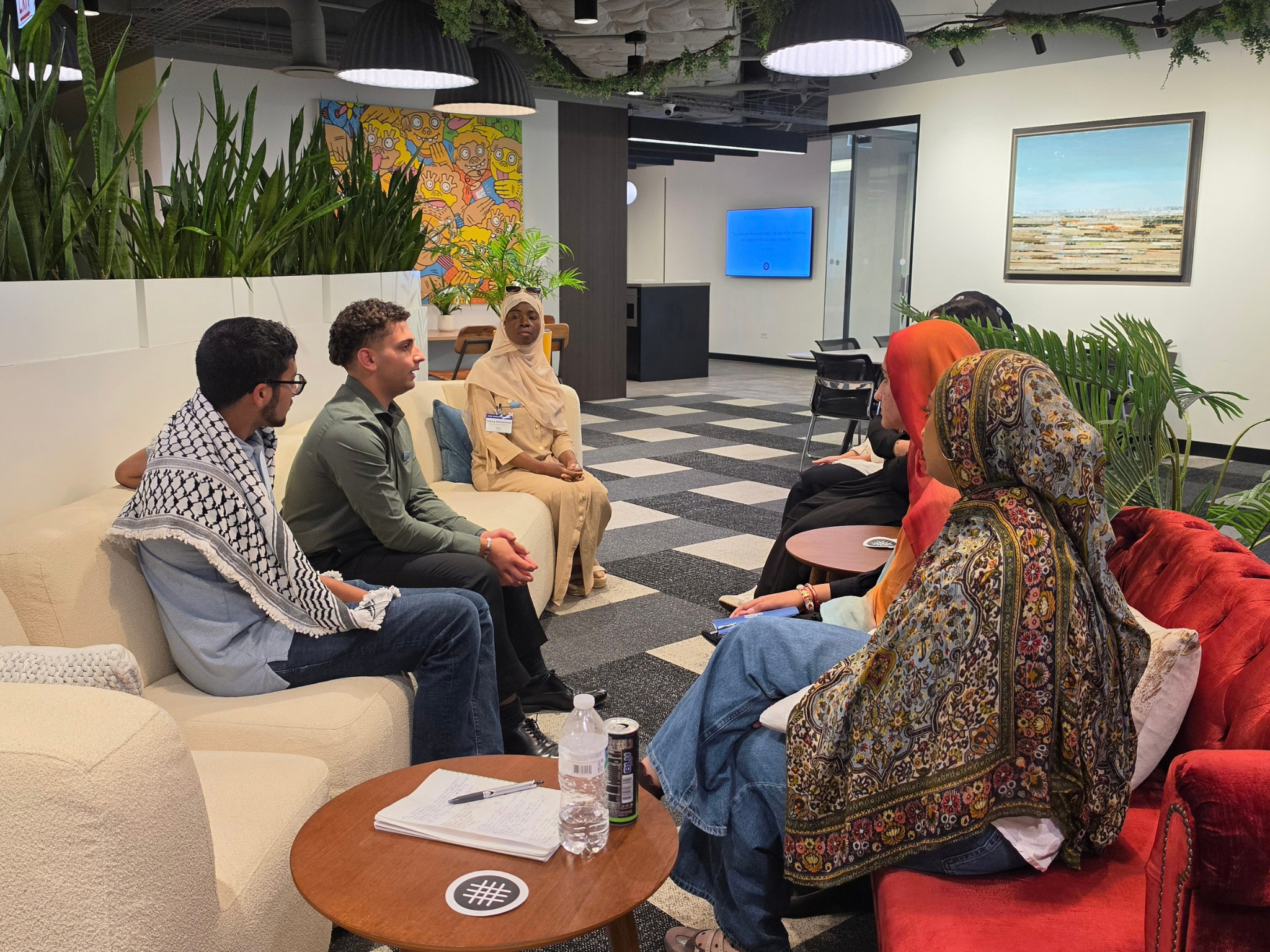
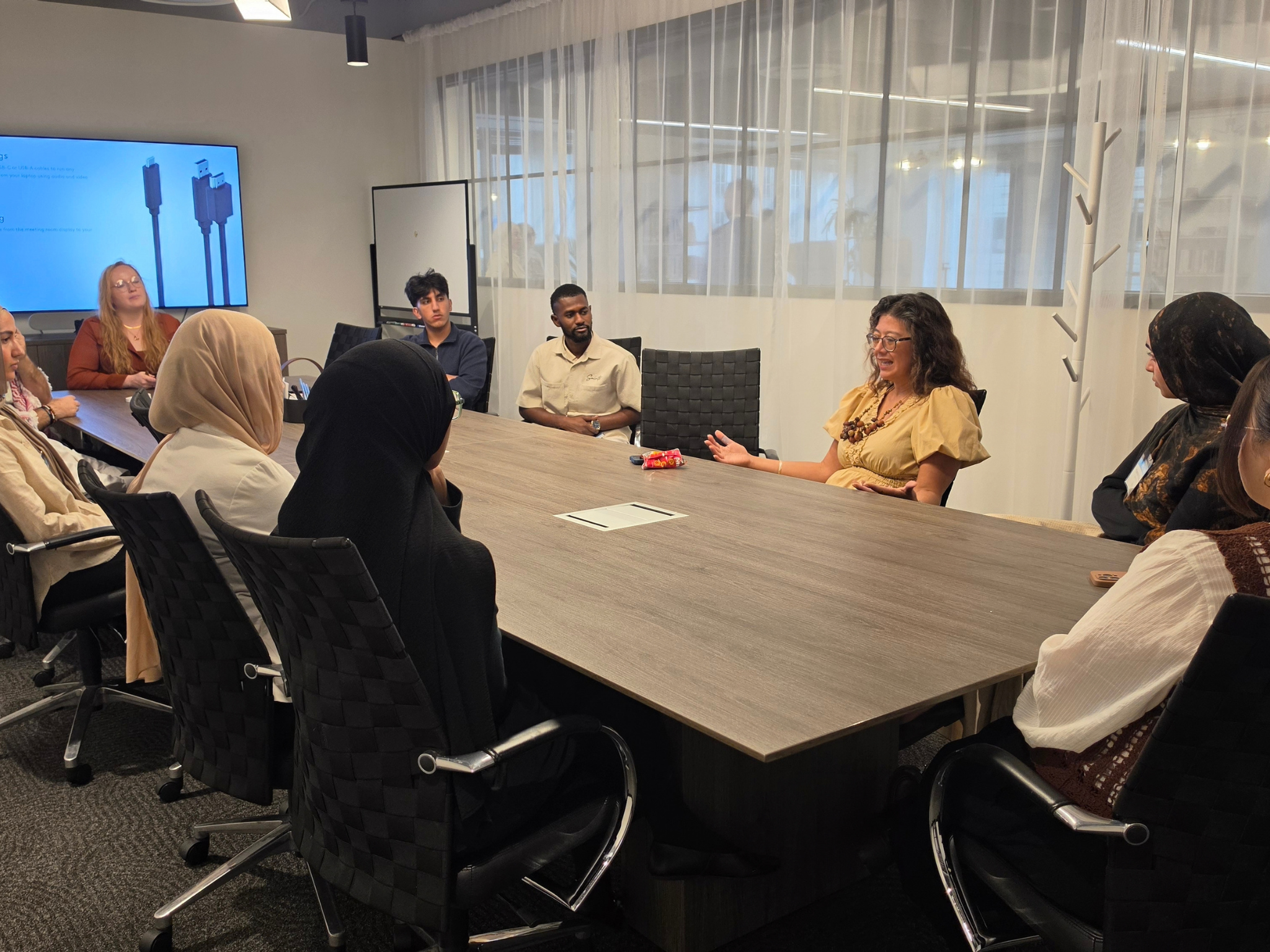
The second day built on that foundation by turning to electoral leadership. At Impact House, Fellows joined a How to Run for Office training led by Yusuf Vidal and Deliah Odeh of All United. The training covered campaign strategy, fundraising, voter outreach, volunteer development, messaging, and campaign infrastructure. A case study and conversation with Junaid Ahmad offered a candid look at building a campaign and sustaining community support.
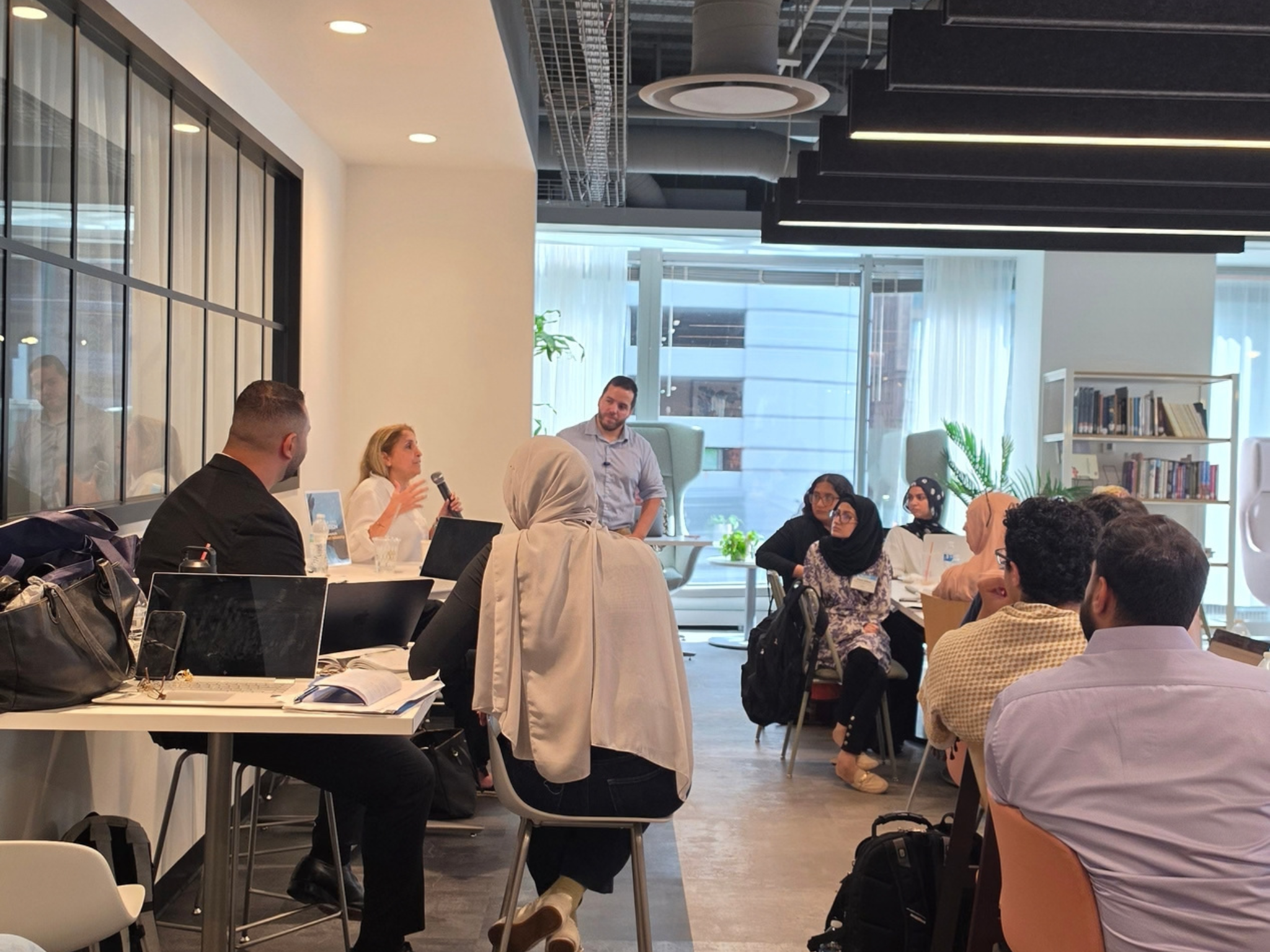
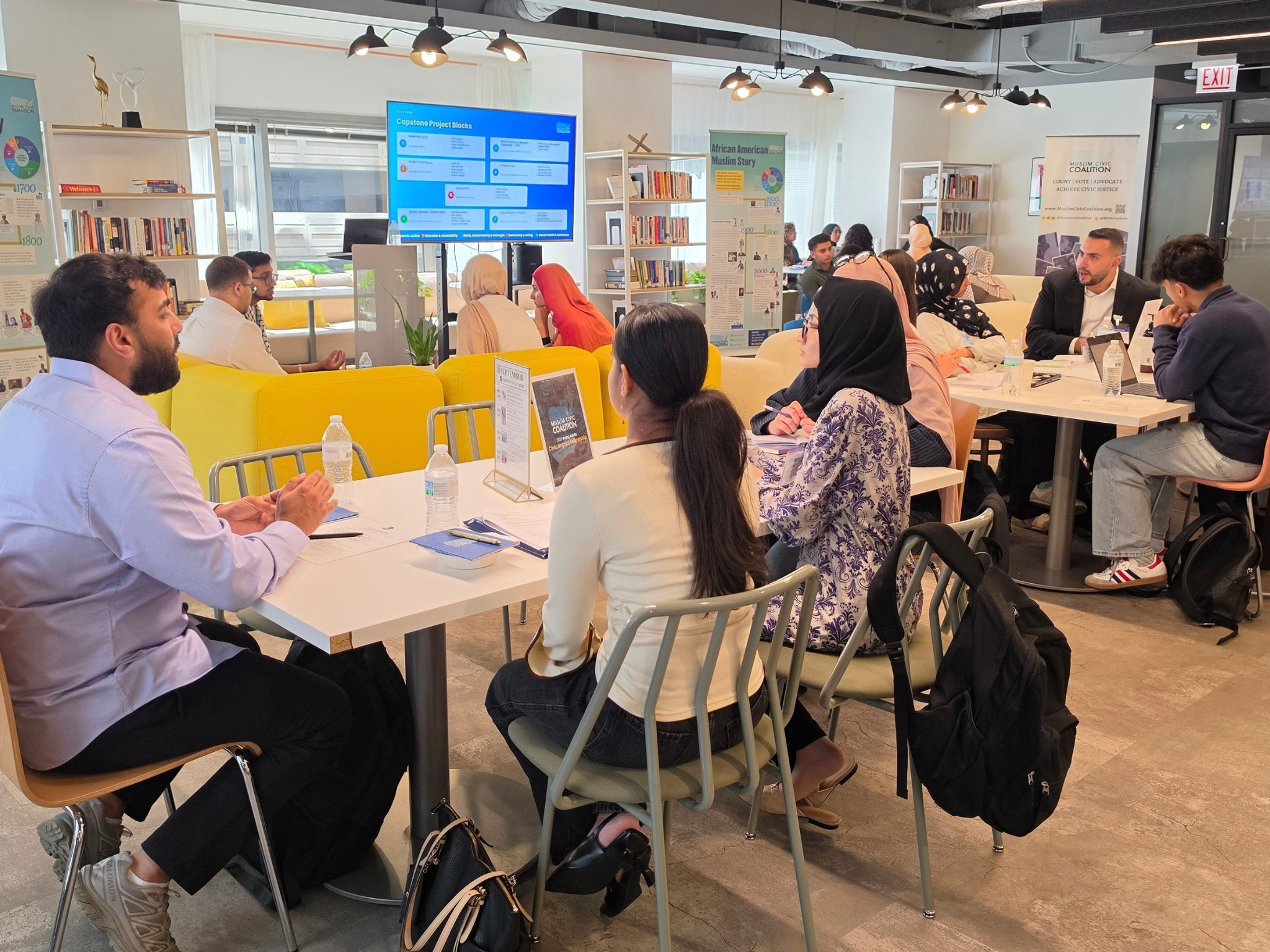
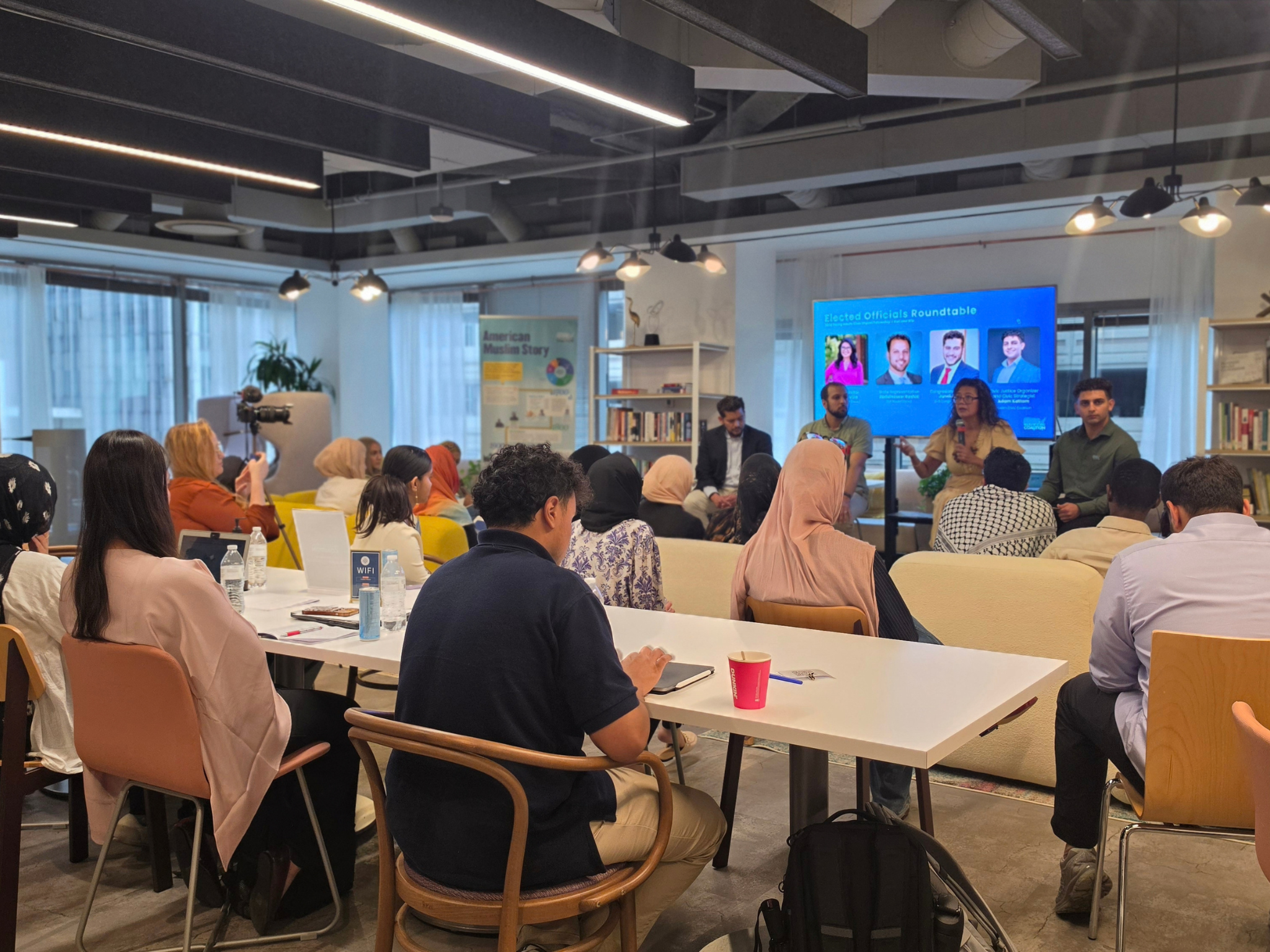
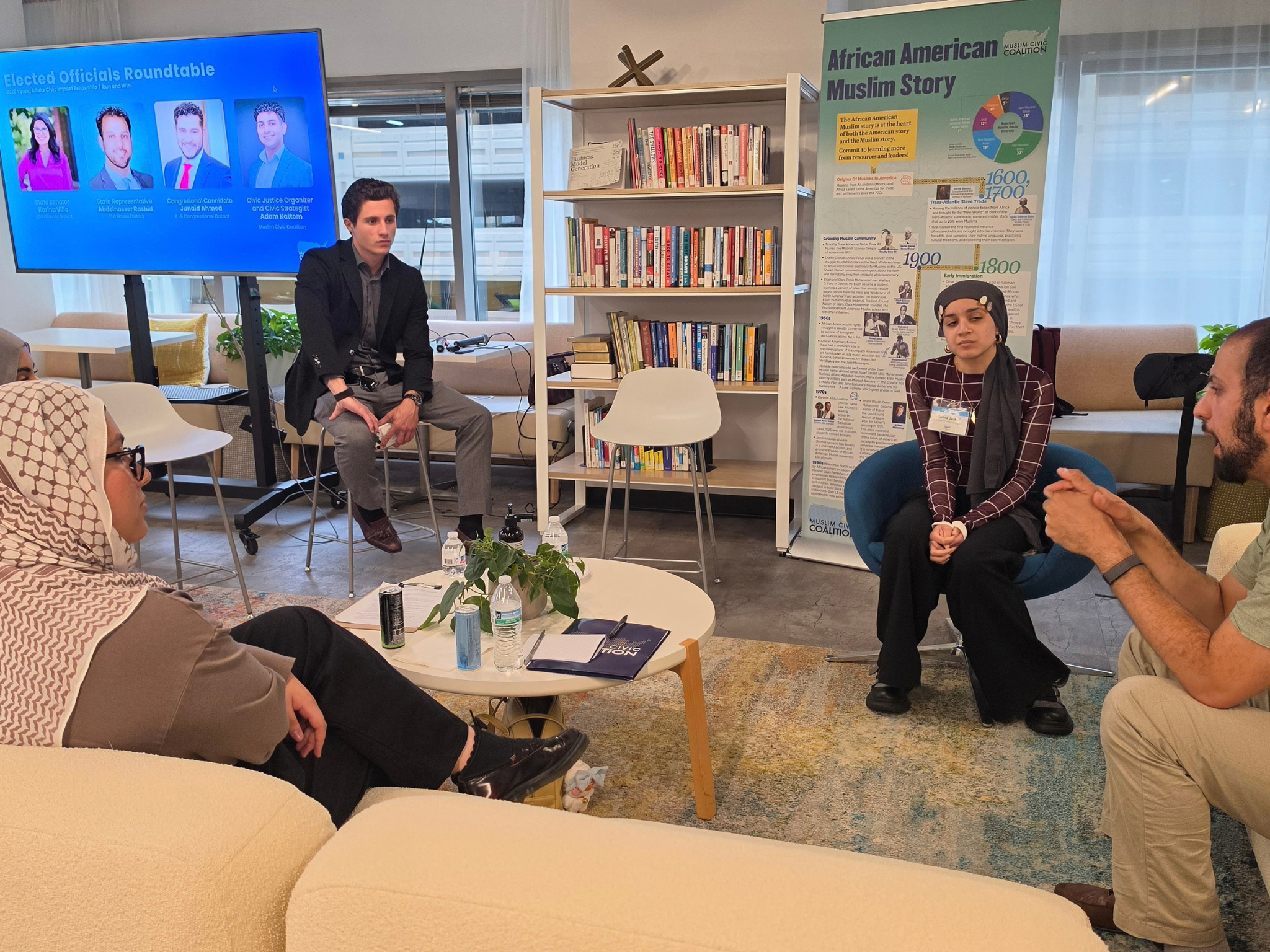
After working on their Capstone Projects, Fellows joined an Elected Officials Roundtable with State Representative Abdelnasser Rashid, State Senator Karina Villa, and Adam Kattoum, Muslim Civic Coalition Next Gen Board Member and Civic Justice Organizer. The conversation moved beyond campaigning to the responsibilities of governing: representing constituents, navigating political institutions, and staying accountable to the communities that built that power in the first place.
Organizing and Leadership, Working Together
Together, these two days showed that organizing and elected leadership are distinct but connected forms of civic power. Organizing builds a base that can move institutions from the outside, and elected leadership exercises authority from within. Strong communities need both: organized constituencies that demand accountability, and leaders ready to carry community priorities into decision-making spaces.
As Fellows enter the final phase of the Fellowship and continue their Capstone Projects, this foundation will guide their work. Lasting change depends on organized communities, durable institutions, and accountable representation, and on young leaders who understand how each works alongside the others.
We are grateful to IMAN, Dr. Constance D. Shabazz, Andrés Murillo, Jannah Sellars, Yusuf Vidal and Deliah Odeh of All United, Junaid Ahmad, Rep. Abdelnasser Rashid, and Sen. Karina Villa for investing their time and wisdom in this cohort.
Share your expertise with future cohorts as a mentor or speaker by contacting CivicFellowship@MuslimCivicCoalition.org
You can also invest in the next generation directly: your gift sustains the training, mentorship, and programming that prepare young Muslims to lead.